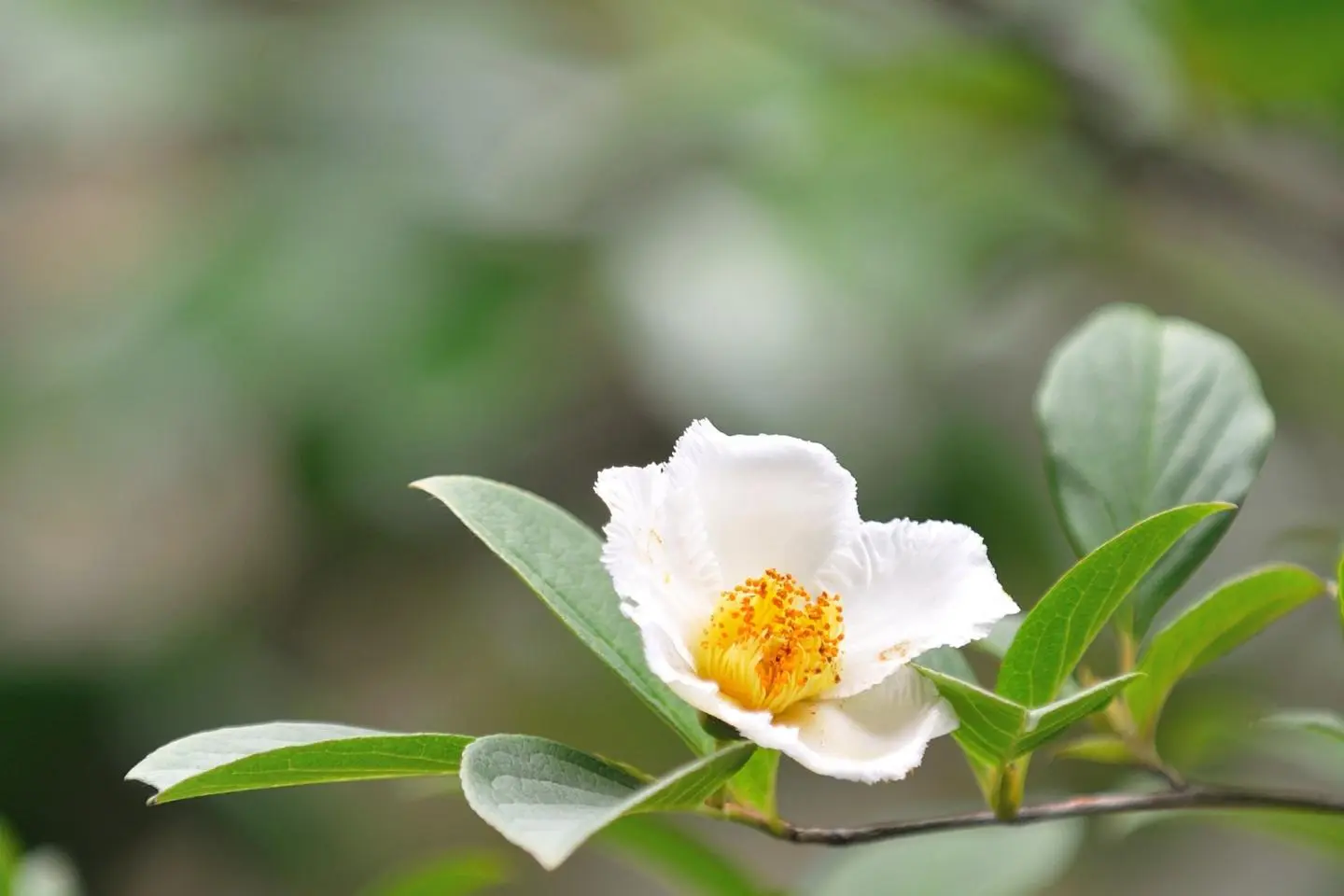

There are dozens of sala trees in the front garden of the main temple building. Experience their beauty in full bloom during the 'Sala Flower Festival' each year from Jun 15 to 30. No reservations are needed (Photo: MASAYOSHI HIROSE)

Jul 18, 2018 - 2 min read

Ngôi đền cây vô ưu - Torinin Kyoto

Say đắm vẻ đẹp chóng vánh của những cây vô ưu

Võ Phương Ngân

By

Community writer

Vào cuối tháng 6 năm nay, tôi đã đến 'Lễ hội hoa vô ưu' được tổ chức tại Đền Torin-in, 'Đền cây vô ưu', ở Kyoto.

Cây vô ưu ở Nhật Bản không phải là những cây có hoa nở đồng loạt khi Phật Gautama qua đời mà đó là cây sơn trà của mùa hè Nhật Bản (Hime Shala: Stewartia monadelpha). Không ai biết loài cây này đã thay thế cây vô ưu từ bao giờ. Hoa vô ưu được nhắc đến trong 'The Tale of Heike' (thế kỷ 13) cũng là sơn trà của mùa hè của Nhật Bản. Dù thế nào đi nữa, tôi rất ấn tượng với vẻ đẹp chóng vánh, nhưng trường tồn của hoa vô ưu và tận hưởng sự thanh thản mà loài hoa này đã mang đến cho tôi.

Ngôi đền này thường đóng cửa không cho tham quan, nhưng đôi khi có tổ chức các buổi tham quan đặc biệt như 'Lễ hội mùa xuân', 'Lễ hội đèn lồng' và 'Lễ hội hoa vô ưu' vì niềm vui của mọi người.
More info

Find more info about Myoshinji Temple .

1

Was this article helpful?

Help us improve the site

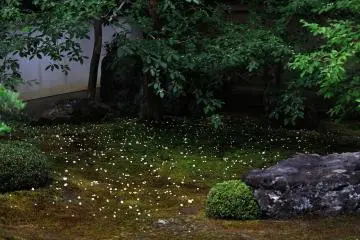
There are dozens of sala trees in the front garden of the main temple building. Experience their beauty in full bloom during the 'Sala Flower Festival' each year from Jun 15 to 30. No reservations are needed (Photo: MASAYOSHI HIROSE)
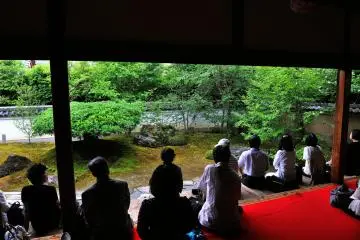
Myoshinji Temple, the head temple of Rinzai School of Zen Buddhism, is a gigantic complex of 48 small temples in Kyoto. This 'Temple of Sala Tree', Torin-in, is one of the 48 under the umbrella of Myoshinji Temple. When I visited, many tourists were there to enjoy beautiful flowers (Photo: MASAYOSHI HIROSE)
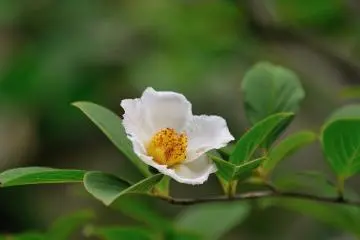
Sala flower (Deciduous camellia) only lasts for a day. Flowers that have bloomed will drop off onto the ground within a day. There are more flowers on the ground than on the trees (Photo: MASAYOSHI HIROSE)
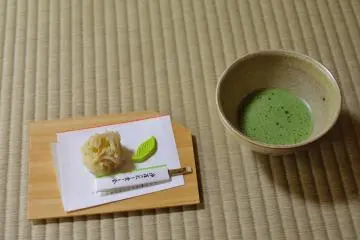
One of the pleasures of visiting temples: Since this is 'The Temple of Sala Tree', sweet cakes are made in the shape of a sala flower (1,600 yen, including entry fee to the temple) (Photo: MASAYOSHI HIROSE)
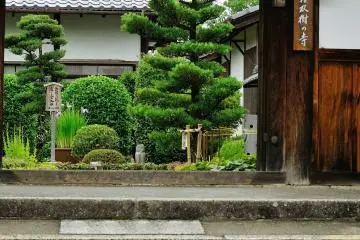
Front garden of the main temple building is called, 'Garden of Sala Tree'. The Sala flower, for its fleeting life, is cited in a famous piece of old Japanese literature, 'The Tale of Heike' as follows: "The sound of the Gion Shoja bells echoes the impermanence of all things; the color of the sala flowers reveals the truth that the prosperous must decline." (Photo: MASAYOSHI HIROSE)
Here we call this flower, 'sala flower' or 'deciduous camellia', but in fact sala trees don't grow in Japan's climate. The truth is they plant 'Japanese summer camellia, or Hime-Shala (Stewartia monadelpha)' as a substitution of sala flower (deciduous camellia) and call them as such. Nobody knows when and who started to call them 'sala flower' (deciduous camellia) here! (Photo: MASAYOSHI HIROSE)
+6

Thông tin

Static map of (35.0213113, 135.7211711)

64 Hanazonomyoshinjicho, Ukyo, Kyoto (Map) (Directions)

Nổi bật

Giới thiệu
Phổ biến